Giving Back Year-Round: Supporting Folds of Honor

At Glick Roofing Systems, giving back is not something we reserve for a single season. It is a year-round commitment rooted in gratitude, service, and community.
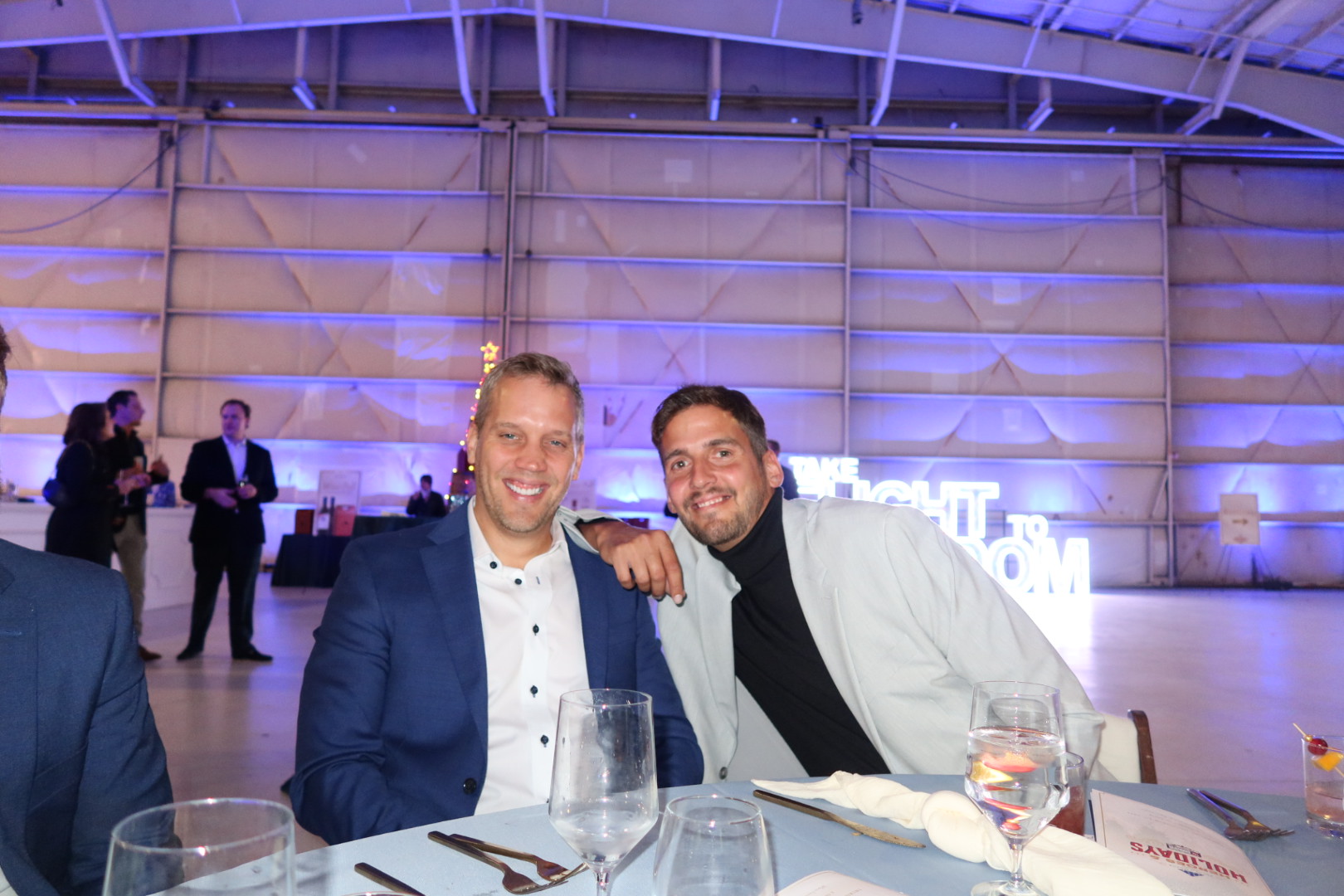
Each year, our owner Ephraim and the Glick Roofing Systems team are proud to support Folds of Honor, an organization dedicated to providing educational scholarships for the families of fallen and disabled U.S. service members and first responders. Their mission ensures that the legacy of those who have sacrificed for our country continues through the education and opportunities given to their loved ones.

Why Folds of Honor Matters

Folds of Honor was founded on a simple but powerful belief: honoring sacrifice by investing in the future. Through scholarships, they help spouses and children pursue education that might otherwise be out of reach. These opportunities create lasting impact, not only for individual families but for entire communities.

For our team, supporting Folds of Honor is a way to say thank you to those who serve and protect, and to stand behind the families who carry that sacrifice long after the uniforms are hung up.

Supporting the Mission Year After Year

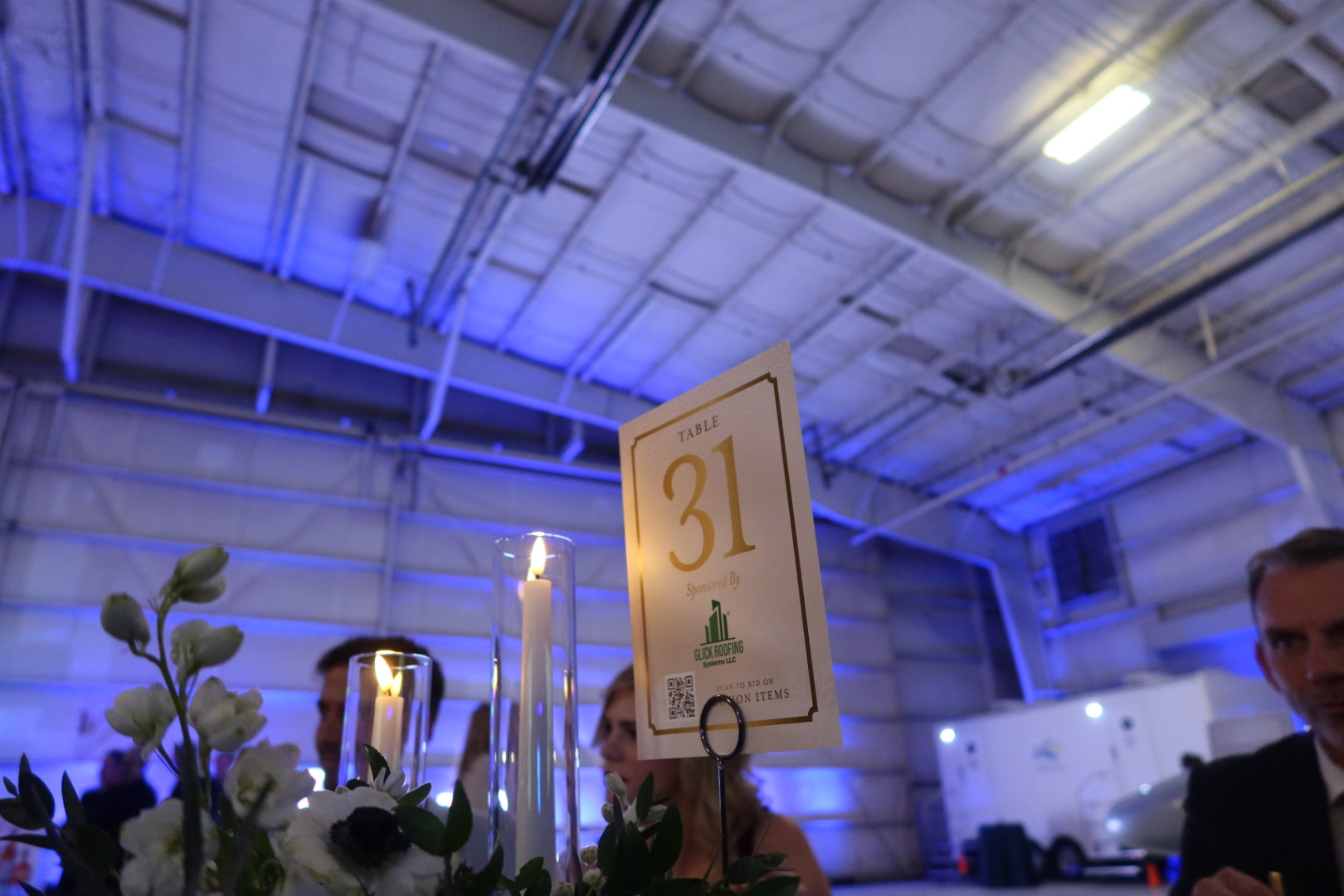
One of the highlights of our involvement is Folds of Honor’s annual Heroes & Holidays event, a key fundraiser that brings together community leaders, businesses, and supporters to raise funds for scholarships. While the event itself takes place during the holiday season, the impact of the support extends far beyond it.

As we move into a new year, we reflect on the importance of continuing to support causes that align with our values. Giving back does not end when the holidays do, and we are committed to standing behind organizations like Folds of Honor throughout the year.

More Than Roofing

At Glick Roofing Systems, we believe our responsibility goes beyond the roofs we install and restore. Being involved in our community and supporting meaningful causes is part of who we are. Whether it is through sponsorships, partnerships, or hands-on involvement, we are proud to use our platform to help make a difference.

We are honored to support Folds of Honor and grateful for the work they do to serve the families of fallen and disabled service members and first responders. As we look ahead, we remain committed to giving back and supporting the missions that matter most.
Why Preventative Maintenance Is the Smartest Investment for Your Commercial Roof

When it comes to commercial roofing, waiting until there’s a visible leak is one of the most expensive mistakes a property owner can make. By the time water shows up inside your building, it has already traveled through multiple layers of your roof system, insulation, and structure.

Preventative maintenance isn’t just about avoiding emergencies. It’s about protecting your building, your budget, and your long-term investment.

Leaks Are a Late Warning Sign

Many commercial roofs fail quietly. Small seam separations, fastener back-out, punctures, or deteriorating coatings can allow moisture in long before it becomes noticeable inside. Once water reaches the interior, damage has already begun.

That’s why proactive inspections and maintenance are critical. Catching minor issues early can prevent widespread damage and costly repairs later.

Extend the Life of Your Roof

A well-maintained commercial roof can last years longer than a neglected one. Routine inspections allow problems to be addressed before they compromise the entire system. Sealing seams, reinforcing penetrations, and maintaining coatings all help preserve the roof’s integrity.

Instead of facing premature replacement, preventative maintenance helps you get the full lifespan out of your existing roof.

Save Money Long-Term

Emergency repairs and full tear-offs are some of the most expensive options in commercial roofing. Preventative maintenance is significantly more cost-effective.

By investing in routine upkeep, many building owners are able to restore and maintain their roof systems at a fraction of the cost of replacement. In many cases, restoration systems can cost up to 50 percent less than a tear-off while still delivering long-term performance.

Improve Energy Efficiency

Small roofing issues can lead to trapped moisture and compromised insulation, which impacts energy efficiency. Reflective coatings and properly sealed systems help regulate building temperatures and reduce HVAC strain.

Over time, this can translate into lower energy bills and improved comfort inside the building.

Documentation and Peace of Mind

Preventative maintenance programs provide detailed documentation of your roof’s condition. This is especially valuable for property managers, facility directors, and owners who need to plan budgets or demonstrate due diligence.

Knowing the current state of your roof allows you to make informed decisions rather than reactive ones.

The Glick Roofing Systems Approach

At Glick Roofing Systems, we specialize in commercial roof inspections, maintenance, and restoration. Our team focuses on identifying the root cause of roofing issues and delivering long-term solutions, not temporary patches.

Whether your roof needs routine maintenance, targeted repairs, or a restoration system, our goal is to help you avoid unnecessary replacements and protect your building for years to come.

Make Preventative Maintenance a Priority

Your roof protects everything beneath it. Treating preventative maintenance as a priority rather than an afterthought can save time, money, and stress.

If you’re unsure about the condition of your commercial roof, scheduling a professional inspection is the first step toward protecting your investment.

A stronger roof starts with proactive care.

Finding the Real Problem on Commercial Roofs

In commercial roofing, leaks aren’t always caused by the most obvious culprit. What looks like an HVAC issue, a flashing failure, or a system defect can sometimes turn out to be something entirely different. That’s why experience, investigation, and attention to detail matter just as much as the materials we use.

Recently, our team was called out to a site to address a suspected issue related to HVAC units. The initial plan was to install flute fill as a preventative measure. But once we took a closer look, the real story started to emerge.

A Closer Inspection Changed Everything

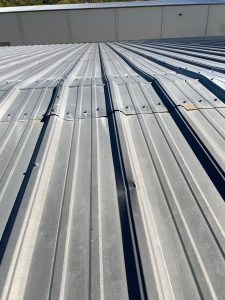
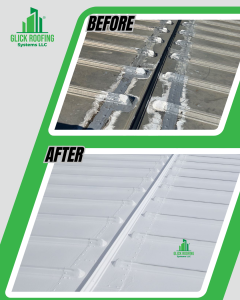
During our inspection, we discovered metal grooves in the roof deck that had created small pinholes. These pinholes were allowing water to find its way in, but they had nothing to do with the HVAC units themselves.

This is a critical distinction. Treating the wrong problem can waste time, increase costs, and still leave a building vulnerable to leaks. Instead of moving forward with a solution that didn’t fully address the issue, we adjusted our approach.

Fixing the Real Problem

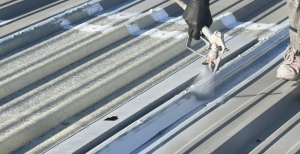
Rather than immediately installing flute fill, our crew focused on sealing every crack and crevice we could find in the affected area. By targeting the actual entry points for water, we were able to create a more precise and effective repair.

Flute fill remains an option if future conditions require it, but starting with the least invasive, most accurate solution helps extend the life of the roof while avoiding unnecessary work.

Why This Approach Matters

Water is persistent. It will exploit even the smallest opening, including pinholes that are easy to miss without a thorough inspection. That’s why a fresh set of eyes and a methodical process can make all the difference.

This job is a perfect example of how commercial roofing isn’t just about installing systems. It’s about problem-solving, understanding how buildings behave, and making informed decisions that protect the structure long term.

The Glick Difference

At Glick Roofing Systems, we don’t believe in one-size-fits-all fixes. We believe in finding the real issue first, then applying the right solution with care and precision. Whether it’s sealing hidden pinholes or planning a larger preventative strategy, our goal is always the same: stop leaks at the source and help our clients avoid future headaches.

If you’re dealing with a leak and aren’t sure where it’s coming from, we’re here to help you take a closer look.

Why Flat and Metal Roof Leaks Start at the Seams (And How to Stop Them)

If you manage or own a commercial building, few things are more frustrating than a roof leak that keeps coming back. You patch it, it holds for a while, and then the next heavy rain tells a different story. The truth is, most leaks in flat and metal roofing systems don’t start where people expect.

They start at the seams.

The Hidden Weak Points in Flat and Metal Roofs

Whether it’s a flat membrane system or a metal roof, seams and connections are the most vulnerable areas on the entire roof. These are the transition points where materials meet, expand, contract, and age differently over time. Add weather exposure, foot traffic, and fastener movement, and small openings can quickly turn into costly leaks.

On flat roofs, seams can separate as membranes age or adhesives weaken. On metal roofs, fasteners can back out, sealant can fail, and seams can loosen due to constant thermal movement. Even when panels themselves look fine, these small failures allow water to travel where you can’t see it.

Why Leaks Often Show Up Inside — Far From the Source

One of the most confusing parts of roof leaks is that the interior damage doesn’t always line up with where the water is getting in. Water can enter at a seam or penetration, then travel along insulation, decking, or structural components before finally dripping into the building.

That’s why simply chasing stains inside the building rarely solves the problem. Without addressing the actual entry point on the roof, leaks tend to return.

Our Approach: Start at the Source

At Glick Roofing Systems, we focus on stopping leaks where they begin. Our team starts every evaluation by identifying seam failures, fastener issues, and vulnerable transitions. From there, we build a solution designed specifically for the roof system in place.

For metal roofs, this often includes cleaning and preparation, treating rusted areas, reinforcing seams, and sealing fasteners before applying a protective restoration system. For flat roofs, we address membrane seams, penetrations, and flashing details to create a continuous, watertight surface.

Restoration vs. Replacement

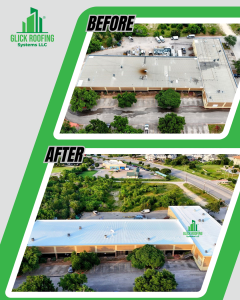
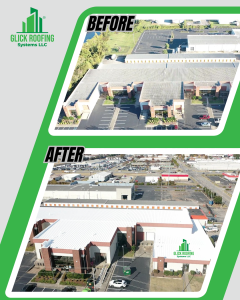
Not every roof needs to be torn off and replaced. In many cases, restoration is a smarter, more cost-effective option. A properly restored flat or metal roof can extend the life of the system by years, reduce disruption to daily operations, and help control long-term maintenance costs.

Our goal is always to give you clear options. If restoration makes sense, we’ll explain why. If replacement is the better path, we’ll be upfront about that too.

The Value of an Experienced Roofing Team

Roof systems are only as reliable as the people working on them. Our crews understand how different flat and metal systems behave over time and know where problems are most likely to occur. That experience allows us to solve issues thoroughly, not just temporarily.

Get Answers Before the Next Leak

If your flat or metal roof is showing signs of leaks, aging seams, or recurring repairs, a professional evaluation can save time, money, and frustration. Understanding where the problem starts is the first step toward fixing it the right way.

Glick Roofing Systems provides honest assessments, detailed workmanship, and solutions designed to protect your building for the long run.

What Is a Fabric-Reinforced Roofing System?

Commercial flat roofs take a beating year after year — weather, ponding water, foot traffic, and natural building movement all add up. Over time, seams loosen, cracks form, and leaks start to appear. Fortunately, not every aging roof needs to be torn off and replaced.

A fabric-reinforced roofing system is one of the most effective ways to restore, strengthen, and waterproof a commercial roof while extending its life — often for decades.


What Is a Fabric-Reinforced Roofing System?

A fabric-reinforced roofing system is a roof restoration method that combines a high-strength polyester fabric with a fluid-applied coating (such as silicone or acrylic). Together, they create a seamless, flexible, and durable membrane over an existing roof system.

Rather than removing the old roof, this system reinforces it — especially at the most vulnerable areas like seams, penetrations, and transitions.


How the Fabric System Works

1. Roof Inspection & Preparation

The process begins with a thorough roof inspection. Any wet insulation, damaged areas, or existing leaks are addressed first. The roof is then cleaned to ensure proper adhesion.

2. Base Coat Application

A fluid-applied base coating is installed across the roof surface or in targeted areas, depending on the project scope.

3. Fabric Reinforcement

A polyester fabric is embedded directly into the wet coating. This fabric adds tensile strength and helps the system flex with the building, preventing future cracks or seam failures.

Fabric is commonly installed:

  • Over seams
  • Around penetrations
  • At transitions and flashing details
  • Or across the entire roof for maximum protection

4. Final Top Coat

A final coating is applied over the fabric, sealing the system and creating a fully waterproof, seamless surface.


Why Fabric-Reinforced Systems Are So Effective

Fabric-reinforced systems solve many of the problems that cause flat roofs to fail:

  • Reinforces weak points where leaks typically start
  • Bridges cracks and seams instead of simply covering them
  • Moves with the building, reducing stress-related failures
  • Eliminates exposed fasteners and seams
  • Improves resistance to ponding water and weather

The result is a roof that performs like new — without the cost or disruption of a full replacement.


Roof Types That Can Benefit

Fabric-reinforced systems work well on many commercial roof types, including:

  • Modified bitumen (mod bit)
  • Metal roofing systems
  • EPDM
  • TPO
  • Aging flat or low-slope roofs

Each project is customized based on the existing roof condition and building needs.


Cost Savings Without Compromise

One of the biggest advantages of a fabric-reinforced roofing system is cost efficiency. Because the existing roof remains in place:

  • Tear-off costs are minimized
  • Disposal fees are reduced
  • Installation time is shorter
  • Business disruption is limited

In many cases, restoration costs significantly less than full replacement while delivering long-term performance.


Manufacturer Warranties Up to 20 Years

When properly installed by a qualified contractor, fabric-reinforced roofing systems can qualify for up to a 20-year manufacturer warranty.

That means long-term protection, predictable maintenance planning, and peace of mind for property owners and facility managers.


A Smarter Approach to Commercial Roofing

Fabric-reinforced roofing systems aren’t a temporary fix — they’re a proven, long-term solution for commercial buildings across the country. When installed correctly, they extend roof life, reduce costs, and deliver durable, watertight protection for years to come.

At Glick Roofing Systems, we specialize in evaluating existing roofs and recommending the right restoration solution — never more than you need, and never less than what’s required to protect your building.


Interested in seeing a fabric system in action? Check out our latest project videos and learn how our team restores commercial roofs without full replacement.

New Year, New Roof Mindset

New Year, New Roof Mindset

Why the Start of the Year Is the Best Time to Check Your Commercial Roof

A new year is all about fresh starts, smart planning, and setting your building up for success. While many business owners focus on budgets, goals, and operations, one important asset often gets overlooked: the roof.

The beginning of the year is actually one of the best times to evaluate the condition of your commercial roof and make a plan before small issues turn into costly surprises.

What Winter Reveals About Your Roof

Cold temperatures, wind, snow, and rain can expose weak points in a roofing system. Sealants can stiffen and crack, fasteners may loosen, and seams can separate after repeated freeze-thaw cycles. Even if there’s no visible leak yet, winter weather often highlights areas that need attention.

A post-winter inspection helps identify:

  • Early signs of leaks or moisture intrusion

  • Worn or failing sealant and flashing

  • Damage caused by wind or temperature changes

  • Areas where water may be ponding or draining improperly

Catching these issues early allows repairs to be planned, not rushed.

Start the Year With a Proactive Plan

One of the biggest mistakes building owners make is waiting until a leak appears to take action. By then, damage may already be spreading beneath the surface.

Starting the year with a roof inspection allows you to:

  • Budget for repairs or maintenance in advance

  • Extend the lifespan of your existing roof

  • Avoid emergency repairs during busy seasons

  • Keep operations running without disruption

A proactive approach gives you control instead of reacting to problems as they happen.

Maintenance Today, Savings Tomorrow

Routine maintenance and minor repairs are far more cost-effective than full replacements caused by neglect. Addressing small issues early helps protect insulation, decking, and interior spaces, while also improving energy efficiency.

For many buildings, simple maintenance or a restoration system can add years to a roof’s life and delay the need for replacement.

A Smarter Roof Strategy for the Year Ahead

At Glick Roofing Systems, we believe a well-maintained roof is a key part of a well-run building. Our team focuses on honest evaluations, clear communication, and solutions that make sense for your long-term goals.

The new year is the perfect opportunity to reset your roof strategy and make sure your building is protected for everything the year brings.

Start the Year Strong

If your commercial roof hasn’t been inspected recently, consider making it part of your new year plan.

Schedule a professional roof inspection with Glick Roofing Systems and start the year with confidence from the top down.

Keeping Your Roof on the Nice List: Holiday Tips to Protect Your Commercial Building This Winter

Keeping Your Roof on the Nice List: Holiday Tips to Protect Your Commercial Building This Winter

The holidays are a busy time for business owners and property managers. With year-end deadlines, travel plans, and seasonal events, your roof is probably the last thing on your mind. But winter weather has a way of exposing roofing issues at the worst possible time.

At Glick Roofing Systems, we like to say that the best holiday gift you can give your building is a little preventative care. Here’s how to keep your commercial roof on the nice list this winter.

Why Winter Is a Critical Time for Commercial Roofs

Winter brings temperature swings, heavy rain, occasional snow, and increased moisture. These conditions can cause roofing materials to expand and contract, sealants to fail, and small vulnerabilities to quickly turn into active leaks.

Many winter leaks don’t come from new damage. They come from existing issues that finally reveal themselves when the weather changes.

Common Holiday-Season Roofing Issues

Expanding Seams and Failed Sealant

Cold nights followed by warmer days cause roofing materials to move. Over time, this movement can pull apart seams or crack aging sealant, creating entry points for water.

Flashing Gaps Around Roof Penetrations

HVAC units, skylights, vents, and parapet walls are common leak sources. If flashing is loose or improperly sealed, winter moisture can easily find its way inside.

Clogged Drains and Ponding Water

Falling leaves and debris can block roof drains and scuppers. When water has nowhere to go, it pools on the roof surface, increasing the risk of leaks and structural stress.

Minor Issues Becoming Major Problems

What starts as a small gap or backed-out fastener can escalate quickly during winter storms. Moisture intrusion often goes unnoticed until interior damage appears.

Simple Preventative Steps Before the Holidays

A few proactive steps can make a big difference during the winter months.

  • Schedule a professional roof inspection before severe weather arrives
  • Clear debris from drains, gutters, and roof surfaces
  • Address small repairs before travel or holiday closures
  • Confirm previous repairs and sealants are holding up

Preventative maintenance now can help avoid emergency calls later.

What to Check After Winter Storms

After heavy rain, snow, or strong winds, it’s smart to keep an eye out for warning signs such as water stains, unusual odors, or visible roof damage. Even if everything looks fine inside, hidden issues may still exist on the roof.

Routine post-storm inspections can catch problems early and extend the life of your roof system.

Start the New Year Strong

The holidays are a natural time to reflect and plan ahead. Addressing roofing concerns before year-end can help you enter the new year with fewer surprises and a more predictable maintenance plan.

From minor repairs to full restorations, Glick Roofing Systems focuses on long-term solutions that protect your building and your budget.

A Holiday Message from Our Team

From all of us at Glick Roofing Systems, we wish you a safe, warm, and worry-free holiday season. If your roof needs a little attention this winter, we’re here to help.

Give your roof some peace of mind this season and schedule a winter inspection with our team.

The Small Roof Details That Cause Big Problems

How Tiny Gaps Can Lead to Costly Leaks

When it comes to commercial roofing, it’s often the smallest details that cause the biggest headaches.

Many property owners are surprised to learn that roof leaks rarely come from obvious damage. More often, they begin with tiny gaps at seams, fasteners, or roof transitions. These small openings may seem harmless at first, but over time, they can allow water to infiltrate the roofing system and create costly problems below the surface.

Why Small Gaps Matter

Commercial roofs are constantly exposed to the elements. Heat, cold, rain, wind, and UV exposure all take a toll. As temperatures change, roofing materials naturally expand and contract. Over time, this movement can cause sealants to break down, fasteners to loosen, and seams to separate.

Once even a small gap forms, water doesn’t need much space to get in. Moisture can travel along metal panels, insulation, and decking, often spreading far beyond the original entry point. That’s why leaks frequently show up inside a building in a completely different area than where the water entered.

Common Places Leaks Begin

Some of the most vulnerable areas on a commercial roof include:

  • Seams and panel overlaps

  • Exposed fasteners and screw heads

  • Roof penetrations like skylights, vents, and HVAC units

  • Transitions between different roofing materials

  • Aging sealant and flashing details

These areas require precise installation and ongoing maintenance to stay watertight.

The Hidden Damage You Can’t See

Water intrusion doesn’t just cause visible leaks. When moisture makes its way into a roofing system, it can saturate insulation, reduce energy efficiency, and lead to mold or corrosion. Left untreated, this hidden damage can weaken the roof structure and significantly shorten the life of the entire system.

What starts as a minor repair can quickly turn into a major restoration or replacement if it’s ignored.

Why Regular Inspections Make a Difference

Routine roof inspections are one of the most effective ways to catch small issues before they become expensive problems. A professional inspection can identify early signs of separation, failing sealant, or moisture intrusion that aren’t visible from the ground.

At Glick Roofing Systems, we focus on addressing these details early. Proactive maintenance and timely restorations can extend the life of a commercial roof by years and help building owners avoid unexpected downtime and repair costs.

Protect Your Roof Before Problems Start

If your roof hasn’t been inspected recently, now is the time. Addressing small gaps and vulnerable areas early can save thousands in future repairs and protect what matters most inside your building.

Schedule a professional roof inspection with Glick Roofing Systems and make sure small details don’t turn into big problems.

Maximize 2025 Tax Incentives With Smart Roofing Investments

How Commercial Property Owners Can Maximize 2025 Tax Incentives With Smart Roofing Investments

As businesses prepare budgets and capital plans for the new year, many commercial property owners overlook one of the biggest opportunities available to them: federal tax incentives for roofing improvements.

Whether you’re managing multifamily units, industrial facilities, or commercial buildings, 2025 is shaping up to be a year where strategic roofing upgrades can dramatically impact your bottom line.

At Glick Roofing Systems, we help owners and managers make informed decisions that strengthen their buildings and take advantage of every available financial incentive. Here’s what you need to know going into the new year.


1. Roofing Projects May Qualify for Section 179 Deductions

Under Section 179, many commercial roofing projects can be written off in the tax year they’re placed into service, instead of being depreciated over several decades.
For property owners, that means:

  • Lower upfront cost

  • Accelerated ROI

  • Significant tax savings

  • A stronger financial position heading into the new year

If you’ve been delaying a roof replacement or major repair, the 2025 incentives might make it the perfect time to move forward.


2. Accelerated Depreciation Benefits Add Even More Savings

Even when a project doesn’t qualify for full Section 179 expensing, commercial roofs often qualify for accelerated depreciation, allowing building owners to deduct a larger portion of the project sooner.

The sooner you deduct the expense, the sooner you see the financial benefit — and that helps offset project costs in a meaningful way.


3. Restorations & Repairs Often Qualify Too

A full replacement isn’t your only option. Roof coatings, membrane restorations, and major repairs may also qualify for tax advantages, making them even more cost-effective.

These projects can extend the life of your roof, reduce leaks, and improve energy performance — all while offering potential deductions.


4. Why Now Is the Time to Plan Your 2025 Roofing Strategy

Tax incentives aside, the start of the year is the ideal time to schedule inspections and map out capital improvements. Here’s why:

  • Demand rises in spring

  • Material pricing fluctuates

  • Projects booked early get priority

  • You avoid emergency roof failures during storm season

A planned approach always costs less than a reactive one.


5. How Glick Roofing Systems Helps Property Owners Capture Every Incentive

We specialize in helping commercial property owners, managers, and investors make financially sound decisions through:

  • Detailed roof assessments

  • Repair vs. replacement recommendations

  • Restoration options

  • Accurate budgeting and forecasting

  • Clear explanations of what tax incentives apply to your project

Our goal is simple: protect your properties, maximize your budget, and help you take advantage of every dollar available.


Start 2025 With a Smarter Roofing Strategy

If you’re considering repairs, a restoration, or a full roof replacement in 2025, now is the time to get ahead.
We’ll help you understand which tax incentives apply to your property and guide you toward the smartest investment for your building.

Contact Glick Roofing Systems today to schedule your assessment.

Why Detail Makes or Breaks a Commercial Roof

When it comes to commercial roofing, quality isn’t just about materials. It’s about precision. The details—small or large—decide whether a roof lasts decades or fails early. At Glick Roofing Systems, attention to detail is a core value because it protects your building and your bottom line.

Clear Diagnoses Lead to Better Results

A successful roofing project starts with an accurate inspection. When teams slow down and examine every inch, they find issues that others miss. As a result, the final repair or replacement is based on facts, not guesswork. This reduces surprises later and helps avoid unnecessary costs.

Precision Protects Your Investment

Every measurement, fastener, and seam matters. When installers take their time to do it right, the roof performs better against rain, wind, and UV exposure. In contrast, rushed work leads to leaks and early system failure. With proper attention, your roof lasts longer, saving you money year after year.

Better Workmanship Means Fewer Disruptions

Commercial buildings rely on stable roofing systems to operate smoothly. When details are handled properly the first time, your business avoids downtime and unexpected closures. Additionally, a well-installed roof reduces maintenance calls and emergency repairs.

Accountability Builds Trust

Detailed documentation, photos, and communication show that your roofing team is focused on transparency. This builds trust and ensures you always know what’s happening on your property. To see how we deliver that level of care, visit our Project Gallery (internal link placeholder).

Trusted Standards Backed by Industry Expertise

Industry organizations like the NRCA (external link placeholder) emphasize the importance of proper installation and manufacturing compliance. Following these standards ensures your roof performs exactly as it should.

Final Thoughts

Attention to detail isn’t optional in commercial roofing. It’s the difference between a roof that needs repairs every year and a roof that performs reliably for decades. At Glick Roofing Systems, every project is done with precision, care, and integrity—because that’s what your business deserves.