
For South Nashville, TN commercial property owners comparing roofing options, metal can be a strong choice, but the right system depends on the building, budget, roof geometry, exposure, and long-term plans for the property. Glick Roofing Systems works with commercial metal roofing in the Nashville area and can help owners compare system choices before committing to a project. The goal is not to assume metal is automatically the best option, but to understand which details affect performance, maintenance, appearance, and long-term value.
Start With the Building, Not a One-Size-Fits-All Recommendation
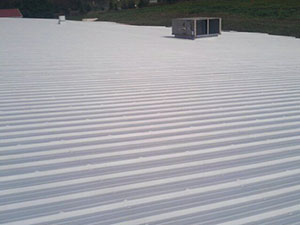
A commercial metal roof should be selected around the building it will protect. Roof slope, drainage, structural conditions, rooftop equipment, existing materials, and the owner’s expected holding period can all affect the decision. A system that works well on one warehouse or commercial facility may not be the best match for another.
Before comparing panel types, it is useful to evaluate the existing roof and the purpose of the project. Is the owner replacing a failing assembly, planning for a long ownership period, trying to reduce recurring repairs, or prioritizing appearance? Those goals help define which tradeoffs deserve the most attention.
Finish Choice Affects Appearance and Long-Term Performance
Metal panels can be supplied with different protective and painted finishes. The finish influences color retention, resistance to chalking and fading, corrosion protection, appearance, and cost. Premium coating systems can offer better long-term color performance than lower-cost finishes, but the best choice depends on the property and how visible the roof is.
Owners should ask what finish is being proposed, what maintenance it requires, how it is expected to weather in the local environment, and what written product information applies. For more background on how commercial roofing materials and technology can affect roof performance, see Glick Roofing Systems’ article on modern commercial roofing technology.
Attachment Method Changes the Maintenance Picture
Exposed-fastener and concealed-fastener systems do not age in exactly the same way. Exposed-fastener panels use fasteners that penetrate the panel surface, so fasteners, washers, and surrounding metal need periodic inspection as the roof moves through temperature changes. Concealed-fastener standing seam systems keep primary fasteners below the panel surface, which reduces routine attention to exposed fastener points but does not eliminate the need to inspect seams, flashing, penetrations, and other details.
The lower initial price of one system should not be compared with another system without considering the expected inspection and maintenance needs over time. Owners should also ask how panel movement, transitions, penetrations, edge conditions, and repairs will be handled in the proposed assembly.
Energy Performance Depends on More Than the Roof Material

Metal roofing can support energy-performance goals when the selected surface has appropriate solar-reflective properties, but there is no fixed utility-savings percentage that applies to every building. Roof color and finish matter, along with insulation, air leakage, HVAC efficiency, occupancy, operating schedules, and the rest of the building envelope.
That is why energy savings should be treated as building-specific rather than guaranteed. Owners comparing options can review product data and ask how the proposed roof fits the building’s overall thermal strategy. Glick Roofing Systems also discusses commercial metal roof performance and resilience in a related resource.
Maintenance Still Matters With a Metal Roof
Metal roofing is often chosen for durability, but no commercial roof is maintenance-free. Periodic professional evaluation can help identify loose or deteriorated fasteners, sealant issues, damaged flashing, panel movement, corrosion, punctures, drainage concerns, or changes around rooftop equipment before a small condition becomes a larger repair.
Maintenance needs also depend on how the building is used. Warehouses and industrial properties may have large roof areas, frequent rooftop activity, or equipment penetrations that change what should be monitored. Glick Roofing Systems’ information on industrial metal warehouse roofing provides additional context for these types of facilities.
What Should Be Compared Before Choosing a System?
A useful proposal should identify the panel or system being recommended, the finish, attachment method, preparation or tear-off requirements, flashing and penetration details, drainage considerations, major exclusions, and maintenance expectations. Owners should also ask how hidden conditions would be handled if the existing roof or deck reveals problems after work begins.
Comparing those details is more useful than relying only on a broad claim that one material is “best.” The right commercial metal roof is the one that fits the building’s conditions, ownership goals, maintenance plan, and approved project scope.
Commercial Metal Roofing in South Nashville, TN
Glick Roofing Systems serves commercial properties in the Nashville area and works with metal roofing as part of its commercial roofing services. For a South Nashville property, the next step is to evaluate the building and compare finish, attachment, maintenance, and performance expectations before selecting a system. Contact Glick Roofing Systems at 615-265-0598 to discuss the roof and the options that should be evaluated.
Frequently Asked Questions
How long can a commercial metal roof last?
Service life varies by metal type, finish, detailing, installation quality, exposure, and maintenance. The expected service life should be discussed for the specific system being proposed rather than treated as one universal number.
Is standing seam always better than an exposed-fastener system?
No. Standing seam generally reduces exposed fastener points, while exposed-fastener systems may have a lower initial cost. The better fit depends on the building, budget, detailing, and maintenance plan.
Will a metal roof lower my cooling costs?
It can reduce roof heat gain when an appropriate reflective surface is used, but actual utility savings depend on insulation, HVAC performance, building use, and other factors.
Does a commercial metal roof need regular maintenance?
Yes. Periodic inspection of seams, fasteners where present, flashing, penetrations, drainage areas, and damaged surfaces can help identify conditions that need attention.