
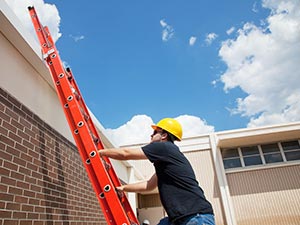
A commercial roof protects one of the most valuable assets a business owns, yet problems often go unnoticed until a leak develops. Regular commercial roof inspections help Nashville property owners identify minor issues early, allowing them to make timely repairs before they become costly roofing problems.
Glick Roofing Systems offers commercial roof inspections in Nashville, TN. Call (800) 821-0205 to schedule a professional inspection and gain a clear understanding of your roof’s condition.
Routine roof inspections can extend the life of your roofing system, reduce unexpected repair costs, and support smarter long-term maintenance planning.
Commercial Roof Inspections Pay for Themselves
Because commercial roof inspections are often offered at no charge, they provide significant value by helping identify problems before they become expensive repairs. A small crack, loose seam, or failing flashing is quick and inexpensive to fix, but if left unnoticed, it can allow water into the building and lead to much larger issues.
The greatest benefit is early detection. Moisture can spread through insulation and the roof deck long before interior damage becomes visible. Catching these problems early helps prevent costly repairs, extend the roof’s lifespan, and avoid unexpected disruptions.
For building owners, regular inspections mean fewer emergencies, lower repair costs, and greater control over long-term roof maintenance.
The Benefits Beyond Early Detection

Inspections do more than catch leaks. Many roofing warranties require regular inspections to stay valid, so a missed schedule can quietly void coverage you already hold. Keeping up with inspections protects that warranty.
They also support capital planning. Regular reports show how the roof is aging, which lets an owner plan for eventual restoration or replacement on a timeline instead of being caught off guard by a failure. Budgeting becomes a decision rather than a scramble.
Finally, inspections create a documented record of the roof’s condition. That paper trail is useful for insurance claims, for property sales, and for showing the roof has been properly maintained over time. That record can protect the value of the building when it is time to sell or refinance.
What Regular Commercial Roof Inspections Involve
An inspection looks over the whole system, not just the obvious spots. The inspector checks the membrane or metal surface, the seams, the flashing at walls and curbs, and every penetration where equipment passes through. Drains and gutters get attention too, since blocked drainage is a common source of standing water.
How often to inspect depends on the building, but twice a year, in spring and fall, suits most commercial roofs in Nashville, with an added check after major storms. That rhythm catches seasonal wear and storm damage while both are fresh.
After the inspection, the owner gets a clear report of findings and recommended next steps, so nothing is left to guesswork. The report gives you a clear picture and a plan you can act on at your own pace.
Protect Your Building with Regular Commercial Roof Inspections
Regular commercial roof inspections are one of the most effective ways to protect a roofing investment. Routine evaluations help maintain warranty compliance, identify developing issues early, and give property owners the information they need to plan for future maintenance and repairs.
Glick Roofing Systems delivers commercial roof inspections in Nashville, TN. Call (800) 821-0205 today to schedule a professional inspection of your commercial roofing system.
A proactive inspection schedule can extend roof life, reduce unexpected repair costs, and help avoid premature roof replacement.
FAQ
What does a commercial roof inspection cover, and how long does it take?
It covers the membrane or metal surface, seams, flashing, penetrations, and drainage. Most inspections take an hour or two, depending on roof size, access, and complexity.
How often should a commercial building in Nashville have its roof inspected?
Twice a year, in spring and fall, works for most buildings, with an added inspection after major storms to catch wind or hail damage early.
What happens after a commercial roof inspection?
You receive a report of findings with photos and recommended next steps, which may range from minor repairs to a maintenance plan, so you can decide how to proceed.