
A flat roof doesn’t get much attention until it starts to leak. Then it’s all anyone can think about. If you own a store, office, church, or warehouse, you know how quickly one wet ceiling tile can turn into a bigger problem.
EPDM roofing in Mount Juliet, TN, is one option for commercial flat and low-slope roofs. EPDM is a flexible rubber sheet that has been used on these roofs for decades. The sheet matters, and so does how it’s installed.
Our guide to comparing EPDM roofing companies in South Nashville covers what to ask before hiring a contractor. Here, we’ll walk through each part of the installation so you know what to look for in a proposal for your Mount Juliet building.
Two Things to Keep Apart: The Material and the Install
EPDM is designed to resist sunlight and ozone and stay flexible in cold weather. Those properties come from the rubber itself.
How the roof is installed determines how well the seams hold, how securely the sheet is attached, how pipes and equipment are flashed, and how water drains. Many leaks start at one of those details. When comparing bids, ask how each contractor plans to handle them.
Step 1: Selecting the Right Membrane for Your Building
EPDM comes in large sheets, which can reduce the number of seams. The best fit depends on the roof’s design, how it’s used, and the proposed warranty.
- Thickness: Common options include 45, 60, and 90 mil, depending on the product. A mil is one-thousandth of an inch. A thicker sheet can offer more puncture resistance, and walkway pads can help protect routes used by service crews.
- Color: Black EPDM is common. White EPDM reflects more sunlight and can help keep the roof surface cooler in summer.
- Reinforcement: Some sheets contain a fabric layer for added strength. Certain mechanically attached systems specify a reinforced membrane.
A roof with several HVAC units and frequent service visits has different needs from one that rarely sees foot traffic. Ask why the proposed thickness, reinforcement, and attachment method fit your building. Confirm that the full assembly qualifies for the warranty listed in the proposal.
Step 2: Sealing the Seams
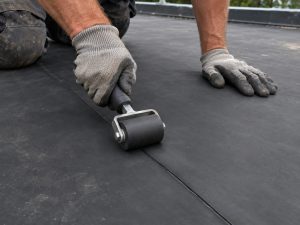
Where two sheets overlap, the seam needs a continuous bond. Many EPDM systems use seam tape. The installer prepares the overlap, applies the specified primer, and joins the sheets with compatible tape. A hand roller presses the seam together across the overlap.
The membrane manufacturer specifies the overlap width, tape, and details for corners and intersections where three sheets meet. Older EPDM roofs may have adhesive-bonded seams. If an edge lifts, have a roofer check whether the seam can be repaired with compatible materials.
Step 3: Holding the Roof Down
Wilson County storms can put wind pressure on roof edges and corners. Three common EPDM attachment methods are:
- Fully adhered: An approved adhesive bonds the sheet to a suitable insulation board or cover board.
- Mechanically attached: Fasteners and plates secure the membrane assembly to the deck. In a seam-fastened design, the overlap covers the fastener row. The membrane and fastener layout must match the specified system.
- Ballasted: Approved ballast, such as rounded stone, holds down the field of the membrane. The structure must be able to carry the added load, and the design must suit the building’s wind exposure.
The right method depends on the deck, building height, wind exposure, and tested roof assembly. Ask which attachment method is specified and how the design secures edges and corners.
Step 4: Flashing Around Pipes, Vents, and Units
Plumbing vents, exhaust fans, skylights, and HVAC units create openings in the roof. Flashing seals the places where the membrane meets those openings, walls, and edges.
- Pipe boots: A compatible preformed boot can seal a round pipe to the surrounding membrane.
- Uncured flashing: Flexible EPDM flashing can be shaped around irregular details where the system allows it.
- Curbs: Flashing extends up the raised frames that support HVAC units and skylights.
- Walls and edges: The membrane turns up the wall or ties into the edge detail. A termination bar and sealant may be part of the specified assembly.
Ask how each opening will be flashed and what the final inspection will cover. Those details should be clear before the roof is installed.
Step 5: Getting Water Off the Roof
A flat roof needs enough slope to send water to drains, scuppers, or gutters. Standing water adds weight and can keep vulnerable details wet longer.
Tapered insulation uses boards of different thicknesses to create slope. Small raised areas called crickets can guide water around rooftop units and toward outlets. Drains and scuppers also need to be clear and sized for the roof. If water is still standing about two days after rain stops under normal drying conditions, have a roofer check for a blocked outlet or low spot.

Where the Material Benefits Come In
EPDM resists sunlight and ozone and stays flexible in cold weather. White EPDM can also reduce how much heat the roof surface absorbs. Small holes and some seam problems can often be repaired with compatible materials when the surrounding roof is sound. See our overview of single-ply roofing for more on EPDM, TPO, and PVC.
Seams, attachment, flashing, and drainage all affect how well those materials perform. A sound sheet can still leak where a pipe boot fails or a seam opens.
Why Mount Juliet Owners Choose Glick Roofing Systems
Glick Roofing Systems is a licensed and insured commercial roofing contractor with a Nashville office on Elm Hill Pike. The company offers commercial single-ply roofing and roof repair and maintenance services.
Glick also offers the Glick-Guard Warranty. Ask which coverage applies to your proposed EPDM system and review the written terms. A useful proposal should spell out the membrane, attachment, flashing, drainage work, and applicable warranty.
Ready for a Roof You Can Trust?
If your flat roof is leaking or showing signs of age, call Glick Roofing Systems at (615) 265-0598 or request a free roof quote online for your Mount Juliet building.
Frequently Asked Questions
1. How long does an EPDM roof last in Mount Juliet, TN?
Service life depends on the membrane, installation, weather exposure, and upkeep. Sound seams, secure flashing, and clear drainage all help the roof last longer. Ask about expected service life and warranty coverage separately.
2. How much does EPDM roofing cost?
Cost depends on roof size, membrane thickness, attachment, insulation, and whether the old roof needs to come off. A written quote lets you compare what each option includes for your building.
3. Can EPDM go over my old roof?
Sometimes. The existing roof must provide a dry, sound base, the new assembly must be compatible, and the applicable building code must allow a recover. Moisture testing can help identify wet areas that need to be removed before work proceeds.
4. Is EPDM a good choice for Tennessee weather?
It can be a good fit for a commercial low-slope roof. The rubber is designed for outdoor exposure and stays flexible in cold weather. The attachment, flashing, and drainage still need to suit the building’s wind and rain exposure.
5. Can a rubber roof be repaired instead of replaced?
Often, yes. Small holes, loose seams, and damaged flashing may be repairable when the surrounding roof is dry and sound. Widespread moisture or recurring leaks can make replacement the better option.
6. How often should I have my EPDM roof inspected?
Plan for routine checks in spring and fall and an additional inspection after major hail or high winds. Follow your roof warranty if it calls for a specific schedule.