
A flat roof can look fine from the parking lot and still let water in. You might first notice a brown ceiling tile, a drip, or a musty smell. By then, moisture may already have spread beyond the spot where it entered.
Many flat roof problems can be fixed without tearing off the whole roof. A good repair starts with finding the source of the leak, choosing materials that match the roof, and checking the finished work. Here’s what flat roof repair in Spring Hill, TN can address and when a small fix may not be enough.
Why Flat Roofs in Spring Hill Need Close Care
Spring storms can drop a lot of rain quickly. Summer sun heats the roof surface, and winter freezes can stress openings where water has collected. Drains, scuppers, and gutters give water a way off a low-slope roof. When an outlet clogs or the roof has a low spot, water can collect around vulnerable seams and flashing.
Common Flat Roof Defects We Repair
On commercial flat roofs, common problems include:
- Open seams: Age, temperature changes, and roof movement can stress the joints between membrane sheets.
- Punctures and tears: Dropped tools, foot traffic, hail, and branches can damage the membrane.
- Blisters: Air or moisture can lift the surface. The repair depends on what caused the blister and whether the surrounding roof is sound.
- Cracks and splits: Look for these near corners, edges, and areas where old coatings have worn.
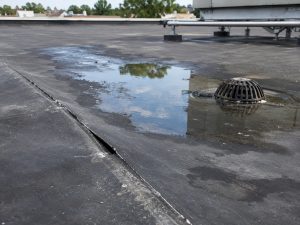
- Ponding water: Water that remains about 48 hours after rain can point to a blocked outlet or low spot and adds weight to the roof.
- Failed flashing: Openings around walls, pipes, vents, and rooftop units can let water in.
- Suspected wet insulation: A soft area can signal moisture or damage below the surface and needs further evaluation.
Repair Methods That Match Your Roof
The repair has to match the existing roof. Follow the roofing manufacturer’s instructions and check any warranty requirements before work begins.
- TPO and PVC: A roofer can clean and prepare the area, then heat-weld a compatible patch over isolated damage.
- EPDM (rubber): Compatible primer, seam tape, or a cover strip can repair some open seams and punctures.
- Modified bitumen: A damaged section may need a compatible cap-sheet patch tied into sound material.
- Built-up roofs: A repair may involve rebuilding the damaged layers and restoring the protective surface.
- Coated roofs: A roofer can prepare a sound area and repair it with a compatible coating, adding reinforcing fabric where the system requires it.
Drainage and Flashing Checks Around the Repair
If water keeps backing up or enters through nearby flashing, a patch may leave the underlying problem in place. When drainage may be involved, check drains, scuppers, gutters, and downspouts for blockages. Sediment rings can show where water has collected. If the outlet is clear but water still pools, tapered insulation or a raised section called a cricket may help direct water toward the drain as part of a larger repair.
Check nearby flashing at walls, edges, equipment curbs, skylights, and pipe boots for gaps, loose metal, or cracked sealant. For a related local example, read our guide to commercial roof leak repair in Brentwood, TN.
The Limits of a Localized Repair
A patch can work when the damage is confined to one area and the surrounding roof is sound. A larger repair or replacement may make more sense when:
- Insulation is wet across a large area.
- Seams are failing in several parts of the roof.
- Leaks keep appearing in new places.
- The deck is soft, corroded, or sagging.
The right choice depends on how far the damage has spread and what condition the remaining roof is in. A coating may be an option on a suitable roof once leaks are repaired and wet materials are removed. It won’t repair damaged decking or dry out wet insulation.
How Completed Work Is Checked
Final checks depend on the repair and the roofing system. For example:
- Probe cooled heat-welded seams to look for gaps or incomplete welds.
- Check that patch edges are secure and flashing is sealed.
- Check nearby outlets if the repair involved drainage. A controlled water test may be useful when the scope and site conditions allow it.
- Remove loose fasteners and scraps that could puncture the roof.
Ask for written notes or photos that show what was repaired and what to watch after the next heavy rain.

Get Flat Roof Repair in Spring Hill, TN
Open seams, recurring ponding, and fresh ceiling stains are reasons to have the roof checked. Glick Roofing Systems is a licensed and insured contractor offering commercial roof repair and maintenance. Call (615) 265-0598 or contact us online to discuss your Spring Hill roof and request a free estimate.
FAQs
1. How do I know if my flat roof needs repair?
Watch for ceiling stains, drips, musty smells, or water that repeatedly pools after rain. A roofer can look for open seams, blisters, damaged flashing, and soft areas that may point to trouble below the surface.
2. How much does flat roof repair cost in Spring Hill, TN?
Cost depends on the roof type, how far the damage extends, and how easy the work area is to reach. An isolated seam repair usually involves less work than removing and replacing wet insulation. Ask for an estimate that spells out what’s included.
3. How long does a flat roof repair last?
A repair made with compatible materials can last for years if it addresses the cause of the damage. Its service life also depends on drainage and the condition of the surrounding roof.
4. Is it better to repair or replace a flat roof?
Repair can make sense when damage is isolated and the remaining roof is sound. Widespread seam failure, saturated insulation, or damaged decking can call for a larger repair or replacement.
5. Can you repair a flat roof in the rain or cold?
Temporary protection may help limit water entry when conditions allow safe access. Permanent repairs depend on the roofing system and the product’s temperature and surface moisture requirements. If those conditions aren’t met, the permanent work may need to wait.
6. How often should a flat roof be inspected?
Spring and fall are good times for routine inspections. Arrange another check after major hail or high winds, and follow any inspection schedule required by your roof warranty.