
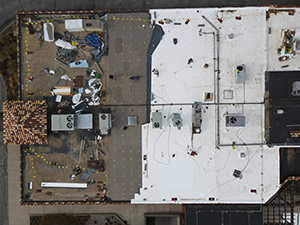
Flat roofs are a common choice for commercial buildings, industrial facilities, and modern homes due to their cost-effectiveness, clean design, and efficient use of space. However, flat roofs require specialized services to ensure they remain durable, weather-resistant, and functional over time. Whether you are constructing a new building or maintaining an existing structure, understanding flat roof services is essential to protecting your property. If you are in Brentwood, TN contact our team at Glick Roofing Systems for our flat roof services on (615) 265-0598.
What Is a Flat Roof?
A flat roof is a roofing system with a minimal slope—usually between 1/4″ to 1/2″ per foot—designed to allow water drainage without the steep incline seen in pitched roofs. While the term “flat” is used, these roofs still have a slight slope to prevent water pooling.
Common Types of Flat Roofing Systems
- TPO (Thermoplastic Polyolefin): A popular single-ply membrane known for its energy efficiency, UV resistance, and reflective white surface.
- EPDM (Ethylene Propylene Diene Monomer): A black synthetic rubber membrane known for durability and flexibility in cold climates.
- Modified Bitumen: A hybrid system combining asphalt and rubber-like modifiers, offering strength and resistance to foot traffic.
- Built-Up Roofing (BUR): Composed of multiple layers of bitumen and reinforcing fabrics, BUR is known for its long-lasting waterproof protection.
- PVC (Polyvinyl Chloride): A durable, heat-welded membrane resistant to chemicals and punctures, commonly used in commercial applications.
Flat Roof Services
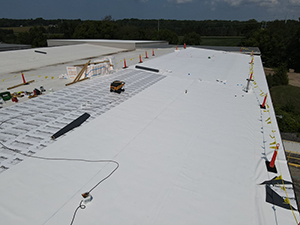
Flat roofing systems require expert attention throughout their lifespan. Key services include:
New Roof Installation: Proper installation is crucial for longevity. Contractors ensure correct membrane selection, insulation, and drainage design.
Roof Replacement: When a roof reaches the end of its lifespan or suffers extensive damage, full replacement may be necessary.
Repairs and Leak Detection: Flat roofs are prone to pooling water and seam damage. Professional repair services address leaks, punctures, or membrane deterioration quickly and effectively.
Maintenance Programs: Routine maintenance extends a roof’s life. Services may include debris removal, drainage checks, membrane inspections, and minor repairs.
Coating and Restoration: Roof coatings can extend the lifespan of a flat roof by adding a reflective or waterproof layer, often delaying the need for replacement.
Benefits of Professional Services
- Leak Prevention: Flat roofs are susceptible to water pooling and leaks. Expert sealing and drainage systems reduce this risk.
- Energy Efficiency: Many flat roofing systems can be enhanced with insulation or reflective coatings to reduce heating and cooling costs.
- Longevity: With proper installation and care, flat roofs can last 20–30 years or more.
- Cost-Effective Maintenance: Regular inspections help detect problems early, reducing repair costs over time.
When to Call a Specialist
You should consult a roofing professional if you notice:
- Persistent roof leaks or water stains inside the building
- Pooling water on the roof after rain
- Visible cracks, blisters, or membrane separation
- Increased energy bills due to poor insulation
Expert Flat Roof Services
Flat roof services are essential for the long-term performance and protection of any flat-roofed structure. From installation to repair and maintenance, working with experienced roofing professionals ensures your building remains safe, efficient, and structurally sound. Whether you are managing a commercial facility or a modern residence, investing in quality flat roof services is a smart move for lasting peace of mind. Call Glick Roofing Systems for flat roof services in Brentwood, TN on (615) 265-0598.
FAQ
What is the lifespan of a flat roof?
It depends on the membrane. TPO and EPDM flat roofs will last about 20–30 years. Metal roofs and modified bitumen roofs could last over 30 years depending on maintenance upkeep.
Is it normal for water to pool on a flat roof?
Water should not remain on a flat roof for longer than 48 hours. Puddling an inch or so is common. However, if you have standing water, that can lead to leaks and structural issues if allowed to persist.
Can flat roofs be repaired or do they always have to be replaced?
Most flat roofs CAN be repaired, especially if the damage is limited and isolated. If the membrane is old, naturally, if damage is widespread, a replacement may be your most cost-efficient alternative.
How often should a flat roof be inspected?
Twice a year, normally spring and fall, will work. You should also inspect flat roofs after a storm or heavy snowfall.
Are flat roofs energy efficient?
Yes! When combined with appropriate insulation or reflective surfaces such as TPO or a coating system, flat roofs can save on your heating and cooling bills.