
For a Brentwood homeowner comparing metal roofing contractors, the most useful questions are not just how long a metal roof can last or how little maintenance it may need. The contractor should be able to identify the metal system being proposed, explain how it will be installed on the existing roof structure, provide the important details in writing, and describe the maintenance and warranty responsibilities that remain after installation.
Glick Roofing Systems serves homeowners in the Brentwood area. Metal roofing can be a practical residential option, but performance depends on the selected system, installation details, roof design, exposure, and ongoing care. Homeowners can call (615) 265-0598 to discuss a roof evaluation and the options that fit the property.
Why Choose Metal Roofing?
Metal roofing can offer several useful advantages for residential properties, but broad performance claims should be treated as ranges or product-specific characteristics rather than guarantees.
- Durability: Many metal roofing systems are designed for long service lives, but the actual lifespan depends on the metal, panel design, finish, installation quality, climate exposure, maintenance, and repair history. A contractor should avoid presenting one fixed 40-to-70-year range as a promise for every roof.
- Strength: Metal systems can perform well in wind, hail, fire, and humid conditions when the roof assembly and details are appropriate for the property. Actual resistance depends on the specific product, testing, fastening, and installation.
- Reflectivity: Some metal roof finishes reflect a meaningful amount of solar radiation and can reduce roof-surface heat gain. The effect on cooling costs still depends on insulation, attic or roof-deck conditions, HVAC performance, air leakage, and other building factors.
- Recyclability: Metal roofing is generally recyclable at the end of its service life, and many products contain recycled material. The recycled-content percentage varies by manufacturer and product, so a figure such as 95 percent should be verified for the exact system rather than treated as typical.
- Maintenance: Metal roofs can require less routine upkeep than some other roofing systems, but they are not maintenance-free. Fasteners, seams, flashing, sealants, finishes, and storm-related damage still need periodic review.
Types of Metal Roofing Available

The work order for this page supports a residential metal-roofing comparison but excludes unsupported metal shingles, tiles, and stone-coated systems. The useful comparison here is between panel systems that are actually relevant to the client scope and the property.
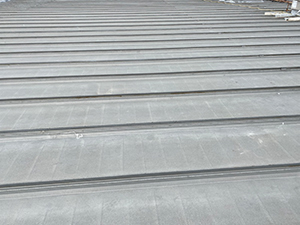
- Standing seam metal roofing: Uses concealed clips or fasteners beneath raised seams. The panel profile, seam configuration, metal type, finish, clip spacing, and expansion details all affect performance.
- Corrugated or exposed-fastener metal panels: These systems use visible fasteners through the panel and are often more common on garages, barns, porches, and other secondary structures. If proposed for a home, the written scope should explain the panel profile, fastening pattern, sealant details, and maintenance expectations.
Before approving a project, ask for the panel type, gauge or thickness where applicable, finish or coating, underlayment, flashing details, fastening or clip system, ventilation or deck requirements where relevant, and any product-specific warranty terms in writing.
Services Offered by Metal Roofing Contractors
A residential metal-roofing contractor may provide installation, replacement, inspection, and repair depending on the specific client scope. For a homeowner replacing an aging shingle roof, the proposal should clarify whether the existing shingles will be removed or whether a recover approach is being considered, and what deck or substrate conditions could change the scope once work begins.
If the existing roof condition is uncertain, a residential roof inspection can help document the current roof before the homeowner commits to a replacement. If the project is specifically replacing an older shingle roof, Glick’s shingle replacement information provides related context for the starting condition being replaced.
What Metal System Experience Actually Involves
Metal roofing experience should be visible in the project details, not just in a general claim that a contractor has installed metal before. Metal panels expand and contract with temperature changes, so fastening and clip design need to accommodate movement. Valleys, wall transitions, chimneys, penetrations, eaves, ridges, and roof-to-roof transitions also require details suited to the selected metal system.
The proposal should identify the panel system, attachment method, major flashing details, underlayment or substrate requirements, and how dissimilar metals will be avoided or isolated where galvanic corrosion could become a concern. If an exposed-fastener system is proposed, ask how fasteners and washers will be inspected over time. If a standing-seam system is proposed, ask how the clips, seams, and thermal movement are handled.
Maintenance Responsibilities After Installation
Homeowners should know what they are expected to do after the roof is installed. Routine responsibilities may include keeping gutters and roof drainage paths clear, watching for storm damage from the ground or another safe location, and arranging professional review when panels, flashing, sealants, or fasteners show visible problems.
Warranty obligations vary. Some product or workmanship warranties may include notice, inspection, maintenance, or documentation requirements, while others may not. The actual written warranty should control. A homeowner should keep the final contract, product information, warranty documents, inspection reports, and records of any later repairs rather than assuming that one maintenance schedule applies to every metal roof.
Choosing the Right Metal Roofing Contractor
When comparing metal roofing contractors in Brentwood, focus on the written project scope and the contractor’s ability to explain the system. Confirm the contractor’s current licensing and insurance directly, ask for recent metal-roof project references where available, and compare proposals on equivalent materials and details rather than price alone.
A stronger proposal should make it clear what panel is being installed, how the roof will be prepared, what flashing and trim are included, how concealed deck damage would be handled, what is excluded, and which warranty responsibilities belong to the manufacturer versus the contractor. Those details make bids easier to compare and reduce uncertainty once work begins.
Metal Roofing Experts
For a Brentwood homeowner, the best metal-roofing decision is the one based on a defined system and a complete written scope. Metal roofing can provide long service, weather resistance, and a distinctive appearance, but those benefits depend on the product, design, installation, and maintenance rather than the material name alone.
To discuss a residential metal-roofing project in Brentwood, TN, contact Glick Roofing Systems at (615) 265-0598.
Frequently Asked Questions
Are metal roofs loud in rain and storms?
They do not have to be. Interior sound depends on the complete roof assembly, including decking, underlayment, insulation, attic space, and interior construction, not the metal panels alone.
Can a metal roof be installed over existing shingles?
Sometimes, if the roof structure, existing materials, product requirements, and applicable code allow it. A contractor should confirm whether removal or a recover approach is appropriate for the specific home.
Do metal roofs rust?
Corrosion resistance depends on the metal, protective coating or finish, cut edges, fasteners, moisture exposure, and contact with dissimilar metals. No metal system should be described as universally rust-proof.
Do metal roofs reduce energy costs?
Some reflective finishes can reduce roof-surface heat gain, but actual energy savings depend on insulation, ventilation, HVAC performance, air leakage, orientation, climate, and the rest of the building envelope.