
 If you manage or own a commercial building in Tennessee, roof replacement or installation is one of the most significant capital investments you will face. Commercial roof cost can vary widely depending on roof size, material type, and project complexity.
Understanding what drives commercial roofing prices in Tennessee helps you plan your budget, compare contractor bids, and make confident decisions for your property.
Another confident decision is to partner with Glick Roofing Systems. Call 800-821-0205 and schedule your consultation today.
Average Commercial Roof Cost Ranges
Commercial roofing in Tennessee typically runs between $5 and $15 per square foot installed, though larger or more complex projects can push costs higher. For a mid-size commercial building with a 10,000-square-foot roof, that translates to a total investment of roughly $50,000 to $150,000.
Here is a general overview of 2026 pricing ranges across common commercial roofing systems:
| Roofing System | Low Estimate | High Estimate |
| TPO / EPDM | $5.00/sq ft | $8.00/sq ft |
| PVC Membrane | $6.00/sq ft | $10.00/sq ft |
| Modified Bitumen | $4.50/sq ft | $7.50/sq ft |
| Metal Roofing | $8.00/sq ft | $15.00/sq ft |
| Built-Up Roofing (BUR) | $5.50/sq ft | $9.00/sq ft |
Cost Differences by Commercial Roof Type
Not all flat or low-slope commercial roofs carry the same price tag. The system you choose has a direct impact on upfront costs, maintenance requirements, and long-term value.
TPO and EPDM Membranes

Single-ply membranes like TPO and EPDM remain the most popular choice for commercial buildings in Tennessee. They offer solid weather resistance, strong energy efficiency, and relatively affordable installation costs. TPO performs especially well in Tennessee’s hot summers due to its reflective surface.
Metal Roofing
Standing seam metal roofing carries a higher upfront cost but delivers exceptional longevity, often lasting 40 to 60 years with minimal maintenance. For Tennessee building owners focused on total cost of ownership, metal is frequently the most economical option over time.
Modified Bitumen and Built-Up Roofing
These traditional systems provide excellent durability and waterproofing performance. They are commonly specified on older commercial properties or buildings that require a proven multi-layer roofing approach. Modified bitumen is also a practical choice for partial repairs and overlays.
Factors That Increase Commercial Roofing Cost
Several variables can push your project above base pricing estimates. Tennessee building owners should factor in all the following when gathering contractor bids:
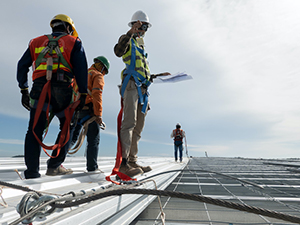
- Roof accessibility and height: Multi-story buildings require additional safety equipment and rigging, which increases labor costs.
- Tear-off and disposal: Removing existing roofing layers adds time and disposal fees. Multiple layers compound the cost significantly.
- Deck condition: Damaged or rotted roof decking discovered during tear-off will require repair or replacement before installation can proceed.
- Penetrations and detailing: HVAC units, skylights, pipe boots, and roof drains each require custom flashing and waterproofing work.
- Insulation upgrades: Adding or upgrading insulation to meet current Tennessee energy codes can add $1.50 to $3.00 per square foot.
- Seasonal timing: Emergency or peak-season installations may carry a premium. Planning your project in advance typically saves money.
Budget Planning for Building Owners
Thorough budget planning prevents costly surprises during a commercial roofing project. A few key recommendations for Tennessee property managers and building owners:
Get a professional roof assessment first. Before collecting bids, schedule a detailed inspection to understand the full scope of work required. Many issues are not visible from ground level.
Build in a contingency buffer. Industry practice is to reserve 10 to 15 percent of the project cost for unexpected conditions discovered during installation.
Evaluate financing and warranty options. Many commercial roofing contractors offer financing solutions or manufacturer-backed warranties that extend coverage for 15 to 30 years, adding long-term value to the investment.
Compare total cost of ownership. The lowest bid does not always represent the best value. Consider material lifespan, projected maintenance costs, and energy performance when evaluating your options.
Local Commercial Roof Pricing Matters
Working with an experienced Tennessee-based contractor means your roof is engineered for local conditions rather than generic national specs. Local contractors also maintain established relationships with regional suppliers, which can reduce material costs and lead times on your project.
At Glick Roofing Systems, we provide transparent, itemized estimates tailored to your specific building and budget. Our team brings deep experience in commercial roofing across Tennessee, and we work with building owners to identify the right roofing system at a price point that makes sense for their long-term goals.
To learn more, call 800-821-0205 and speak with an expert today.
FAQ
How long does a commercial roof replacement take in Tennessee?
Timeline depends on roof size, system type, and weather conditions. Most single-ply membrane replacements on buildings under 20,000 square feet are completed in three to seven business days. Larger or more complex projects, including those with significant deck repairs or custom metal fabrication, may take two to four weeks. Your contractor should provide a project schedule before work begins.
Is it possible to install a new commercial roof over the existing one?
In some cases, yes. Installing a new membrane over an existing roof (called a recover or overlay) can reduce labor and disposal costs by eliminating tear-off. However, most Tennessee building codes limit the roof to two total layers, and the existing system must be structurally sound and dry. A professional inspection will determine whether a recover is a viable option for your building.
Does commercial roofing work require permits in Tennessee?
Permit requirements vary by municipality across Tennessee. Full replacements typically require a building permit, while minor repairs may not. A licensed commercial roofing contractor will handle permit applications on your behalf and ensure all work meets local building codes and inspection requirements. Always confirm your contractor is pulling the required permits before construction begins.