
Commercial building owners in Franklin, TN often seek roofing systems that balance durability, efficiency, and long-term performance. Flat and low slope roofs require materials that can withstand weather exposure while remaining practical to maintain. Single-ply roofing has become one of the most widely used commercial roofing options because of its versatility and dependable protection.
For related commercial roofing guidance in Franklin, see EPDM roofing in Franklin.
For single-ply roofing in Franklin, TN, contact Glick Roofing Systems at (800) 821-0205.
What Is Single-Ply Roofing?
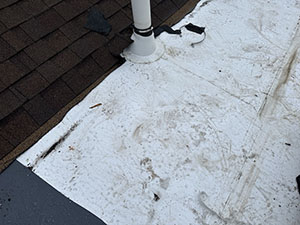
Single-ply roofing refers to a roofing system that uses a single layer membrane as the primary waterproofing component. These membranes are manufactured in large sheets and installed across the roof surface to create a protective barrier against moisture.
Unlike built up roofing systems that rely on multiple layers of asphalt and reinforcing materials, single-ply systems use one continuous membrane layer. This simplifies installation while still providing strong weather resistance.
Single-ply roofing is commonly found on office buildings, warehouses, retail centers, and other commercial structures with flat or low slope roof designs.
Types of Single-Ply Roofing Membranes
Several membrane types are used within the single-ply roofing category. Each offers distinct performance characteristics.
Thermoplastic membranes are known for their heat welded seams and reflective surfaces. The welded seams create strong connections between membrane sections and help improve resistance to water infiltration.
Thermoset membranes provide flexibility and weather resistance. These systems perform well in a variety of climate conditions and are valued for their ability to accommodate building movement.
The choice between membrane types often depends on building requirements, environmental conditions, and long-term performance goals.
Single-Ply Roofing Installation Methods

Commercial roofing professionals use several installation methods depending on the building and membrane selected.
Mechanically attached systems use fasteners to secure the membrane to the roof deck. This method is commonly used on large commercial buildings.
Fully adhered systems use specialized adhesives to bond the membrane directly to the insulation or substrate below. This approach can provide a smooth appearance and strong wind resistance.
Ballasted systems rely on weight, such as stone or pavers, to hold the membrane in place. While less common today, they are still used in certain applications.
Why Single-Ply Roofing Remains Popular
Single-ply roofing continues to be a preferred choice because it offers a balance of durability and efficiency. The membranes are lightweight, reducing structural demands on the building.
Many systems feature reflective surfaces that help reduce heat absorption. This can contribute to lower cooling demands during Franklin’s warm summer months.
Maintenance is generally straightforward, and repairs can often be completed without extensive disruption to building operations. These benefits make single-ply roofing attractive for a wide range of commercial properties.
Choosing the Right Roofing System
Selecting a commercial roofing system requires evaluating building design, climate conditions, and long-term operational goals. Single-ply roofing provides flexibility across many applications and continues to serve as a dependable solution for flat and low slope commercial roofs.
For single-ply roofing in Franklin, TN, contact Glick Roofing Systems at (800) 821-0205 today.
FAQ
What is single-ply roofing, and how does it differ from built up or modified bitumen systems?
Single-ply roofing uses one membrane layer for waterproofing, while built up and modified bitumen systems rely on multiple layers of reinforcing materials and asphalt based components.
What are the main types of single-ply membranes, and how do I know which is right for my building?
The most common options are thermoplastic and thermoset membranes. A professional roof evaluation can help determine which system aligns with building needs and environmental conditions.
How long does a single-ply commercial roof typically last?
Lifespan varies based on membrane type, installation quality, and maintenance practices. Regular inspections and timely repairs help maximize performance and longevity.