
 Commercial property owners in Hoover, AL are constantly looking for roofing systems that provide durability, energy efficiency, and long-term value. One option that has become increasingly popular over the past several decades is single-ply roofing. Known for its flexibility and relatively straightforward installation process, this roofing category is widely used on commercial buildings across the United States.
Understanding the advantages and potential limitations of single-ply roofing systems can help building owners, property managers, and facility operators make informed decisions when planning repairs, replacements, or new construction projects. Call Glick Roofing Systems today at 800-821-0205 to learn more.
Single-Ply Roofing: Benefits and Limitations
Single-ply roofing refers to roofing systems that use a single layer of synthetic membrane as the primary waterproofing surface. The most common types include TPO (thermoplastic polyolefin), PVC (polyvinyl chloride), and EPDM (ethylene propylene diene monomer).
These membranes are manufactured in large sheets that are installed across the roof deck and sealed together at the seams. The result is a continuous waterproof barrier designed to withstand weather exposure, temperature fluctuations, and normal building movement.
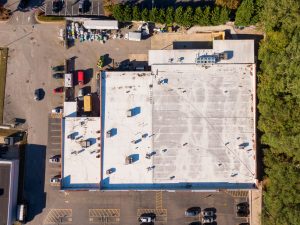
Single-ply roofing systems are especially common on low-slope commercial roofs, including warehouses, retail centers, schools, office buildings, and industrial facilities.
Because the material is lighter than many traditional roofing systems, it can often be installed efficiently without adding excessive structural weight to the building.
Energy Efficiency Benefits
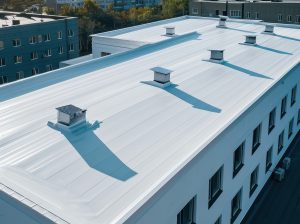
One of the most attractive benefits of single-ply roofing is its potential for energy efficiency. Many single-ply membranes, particularly TPO and PVC, are manufactured in reflective white or light colors that help reflect sunlight away from the building.
In warm climates like Alabama, reflective roofing surfaces can reduce heat absorption and help stabilize interior temperatures. This can potentially lower cooling demands during the hot summer months and contribute to improved energy performance for large commercial buildings.
For facility managers looking to reduce operational costs while improving building efficiency, single-ply roofing systems can be an effective component of an overall energy strategy.
Installation Speed Advantages
Another reason many commercial building owners choose single-ply roofing is the efficiency of the installation process.
Single-ply membranes are manufactured in wide rolls that can cover large sections of roof area quickly. Contractors can install these systems using several different methods, including mechanically attached systems, fully adhered systems, or ballasted systems depending on the building structure and project goals.
Because the materials are relatively lightweight and the installation process is streamlined, projects can often be completed faster than traditional multi-layer roofing systems. For commercial properties that need to minimize operational disruption, a quicker installation timeline can be a significant advantage.
Experienced commercial contractors such as Glick Roofing Systems carefully evaluate building design, insulation requirements, and long-term performance goals before recommending the most appropriate installation method.
 Situations Where Other Systems May Be Better
Although single-ply roofing offers many advantages, it is not always the best solution for every building.
For example, facilities that experience heavy rooftop traffic, equipment movement, or frequent service activity may require additional protection layers to prevent membrane damage. In some cases, thicker membranes or reinforced systems may be recommended.
Certain environments that involve chemical exposure, grease exhaust systems, or extreme industrial conditions may also require specialized roofing materials designed for those environments.
Additionally, buildings with complex roof designs or numerous penetrations may require careful detailing to ensure long-term waterproofing performance.
A thorough commercial roof inspection is essential before choosing a roofing system. Experienced contractors evaluate factors such as insulation performance, drainage design, structural conditions, and future maintenance needs.
Choosing the Right Contractor
The performance of any roofing system depends heavily on the quality of installation. Even the most advanced roofing materials require proper preparation, seam welding, flashing installation, and drainage design to perform reliably.
Working with a qualified commercial roofing contractor ensures that the selected single-ply roofing system is installed according to manufacturer specifications and industry best practices.
Professional roofing teams can also help building owners understand warranty options, maintenance recommendations, and long-term performance expectations.
Single-Ply Roofing Expertise
For commercial properties in Hoover and surrounding communities, Glick Roofing Systems provides experienced guidance on single-ply roofing installation, replacement, and repair. Their team works with property managers, facility directors, and building owners to identify the most effective roofing solutions for each property. Call 800-821-0205 today and schedule your consultation.
FAQ
Is single-ply roofing durable enough for commercial buildings?
Yes. When properly installed and maintained, single-ply roofing systems can provide reliable performance for many commercial buildings. Membrane thickness, reinforcement, and installation quality all play important roles in durability.
How long does single-ply roofing typically last?
Many single-ply roofing systems have expected lifespans ranging from 20 to 30 years depending on the material type, installation quality, climate conditions, and maintenance schedule.
Can single-ply roofing be installed over an existing roof?
In some cases, single-ply roofing systems can be installed as part of an overlay system if the existing roof structure is in suitable condition. A professional inspection is required to determine whether an overlay or full replacement is the better option.