
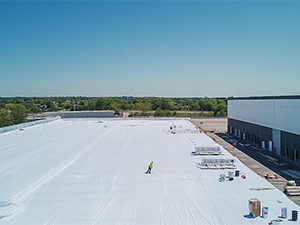
If your commercial building in Brentwood, TN has a TPO, PVC, or EPDM membrane roof, regular maintenance can help you find developing problems before they become larger repairs. Glick Roofing Systems provides commercial single-ply roofing, repair, inspection, preventive maintenance, and restoration services from its Nashville office. For service in Brentwood, call (615) 265-0598.
Protecting Your Commercial Membrane Roof
Membrane roofs depend on more than the membrane itself. Seams, flashings, penetrations, drains, scuppers, rooftop equipment, previous repairs, and areas of foot traffic can all affect performance. A practical maintenance plan should match the roof type, age, condition, manufacturer requirements, building use, and recent weather exposure.
Use a Condition-Based Inspection Schedule
Many commercial roofs benefit from recurring professional inspections, but there is no single schedule that fits every membrane system or warranty. The inspection frequency should reflect the roof’s age, condition, manufacturer guidance, maintenance history, and exposure. Additional inspections may be appropriate after severe wind, hail, or other events that could damage the roof.
A professional review should look for visible seam changes, punctures, membrane wear, flashing defects, debris, drainage problems, and signs of previous repairs that need follow-up. Glick Roofing Systems also offers commercial roof repair and maintenance services for buildings that need ongoing inspection and service planning.
Keep Preventive Maintenance Focused on Actual Conditions

Preventive maintenance can include clearing debris, keeping drainage paths open, addressing minor membrane damage, and repairing seams or flashing when the roof system and condition call for it. Those tasks should follow the requirements of the existing membrane rather than a generic checklist applied the same way to every roof.
TPO, PVC, and EPDM are all single-ply systems, but they use different materials and repair methods. Glick Roofing Systems’ single-ply roofing information covers commercial membrane options, so building owners should identify the existing membrane before approving repairs, primers, adhesives, tapes, welds, or coatings.
Verify Coating Compatibility Before Restoration
A reflective roof coating can reduce solar heat absorption at the roof surface and may be part of a restoration plan for a suitable existing roof. That does not mean every aging membrane should be coated. The roof should first be evaluated for moisture, attachment, drainage, substrate condition, previous repairs, and product compatibility.
Manufacturer and warranty requirements also matter. Before a coating is applied, confirm that the selected product and preparation method are approved for the specific membrane and do not conflict with active warranty terms. Glick Roofing Systems provides commercial roof restoration services, but restoration suitability still depends on the condition of the roof being evaluated.
Reflective materials can support lower roof-surface temperatures, but energy savings are building-specific. Insulation, HVAC efficiency, occupancy, roof configuration, shade, and operating conditions all influence cooling demand, so a coating should not be presented as a guaranteed utility-cost reduction.
Address Drainage Problems at the Cause
Standing water can indicate clogged drains, blocked scuppers, low areas, compressed insulation, deck movement, or another slope-related condition. Maintenance should start by identifying why water is collecting rather than assuming a surface repair will solve the problem.
Tapered insulation can be part of a designed drainage correction on some roofs, but it is not a universal answer for every ponding area. The appropriate solution depends on the existing roof assembly, drainage layout, deck condition, insulation, and the scope of any planned repair or replacement.
Plan Safe Paths for Rooftop Service Traffic
Commercial roofs often need access for trained HVAC technicians, electricians, roofing crews, and other service personnel. Walk pads or compatible protective surfaces can help define service paths and reduce repeated wear in high-traffic areas, especially around rooftop equipment.
Roof access should remain controlled. Walk-pad planning is a facility and contractor decision, not permission for untrained staff or building occupants to walk the roof. Access procedures should follow the building’s safety plan and applicable fall-protection requirements.
Investigate Leaks Promptly
Interior water stains, damp materials, musty odors, or visible membrane changes can justify a professional inspection, but the source of water is not always directly above the symptom. Prompt investigation can help limit additional damage and determine whether the issue is a localized repair, a broader moisture problem, or part of a larger restoration or replacement decision.
Membrane Roof Maintenance in Brentwood, TN
A useful maintenance program combines inspections, drainage management, controlled roof access, compatible repairs, and coating decisions based on the actual roof system. It should also leave the owner with a clear record of what was found, what was repaired, and what needs follow-up.
For membrane roof maintenance, repair, or restoration planning in Brentwood, contact Glick Roofing Systems at (615) 265-0598.
Frequently Asked Questions
How often should a commercial membrane roof be inspected?
Inspection frequency should reflect the roof’s age, condition, manufacturer guidance, warranty requirements, and weather exposure. Additional checks may be appropriate after severe storms or other damaging events.
Can every membrane roof be restored with a reflective coating?
No. Coating suitability depends on membrane type, moisture, attachment, drainage, substrate condition, previous repairs, and product compatibility.
Can reflective roofing reduce cooling costs?
Reflective membranes and coatings can reduce solar heat absorption at the roof surface, but actual energy savings depend on the entire building, including insulation, HVAC performance, and operating conditions.
Should employees walk on a commercial membrane roof?
Roof access should be limited to trained personnel following the building’s safety procedures. Walk pads can help protect service routes, but they do not make unsupervised roof access appropriate.