

Choosing a roofing repair contractor for a commercial property in Hendersonville, TN is easier when you know what to verify before signing. Experience with commercial roof systems matters, but so do current credentials, written scope, payment terms, communication expectations, and warranty details. Glick Roofing Systems serves commercial properties from its Nashville office. Call (615) 265-0598 to discuss your building.
Vetting Roofing Repair Contractors
Commercial roof repairs can involve membranes, flashing, penetrations, drainage, insulation, coatings, and metal details that differ from typical residential work. A contractor should be able to explain what they found, what they plan to repair, which materials or methods will be used, and what conditions could change the scope after work begins.
Red Flag #1: Limited Commercial Roofing Experience
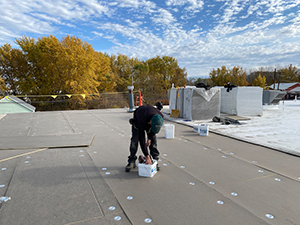
Ask whether the contractor regularly works on commercial and low-slope roofs, not only residential projects. Useful evidence can include examples of similar buildings, references, photographs, and clear explanations of systems such as TPO, EPDM, PVC, metal, coatings, and common commercial flashing details.
A vague portfolio does not automatically disqualify a contractor, but it should lead to more questions. The goal is to confirm that the company understands the system on your building and the repair method being proposed.
Red Flag #2: Credentials That Cannot Be Verified
Do not rely on a verbal statement that a contractor is licensed or insured. Tennessee licensing requirements depend on the contractor’s role, project type, and contract value, so ask for the applicable license information and verify it through the Tennessee Board for Licensing Contractors when a license is required for the work. Also request current insurance documentation and confirm that the coverage is active and appropriate for the project.
Be cautious if a contractor refuses to provide documentation, gives a license number that cannot be verified, or suggests bypassing required permits or other project requirements. The important step is current verification, not assuming that every roofing job falls under the same licensing rule.
Red Flag #3: Pressure to Sign or Pay Before the Scope Is Clear
High-pressure sales tactics can make it harder to review the actual repair terms. A deposit may be part of a legitimate contract, but there is no single percentage that automatically proves whether a contractor is trustworthy. Focus instead on whether the payment schedule is written, tied to the project scope or milestones, and consistent with the work being performed.
Ask what is due at signing, what triggers later payments, and what happens if concealed conditions change the job. Full payment demands before the scope, materials, schedule, and responsibilities are documented deserve careful scrutiny.
Red Flag #4: No Detailed Written Scope
A useful commercial roof repair agreement should describe more than a total price. Before work begins, confirm that the written scope addresses:
- The roof area and condition being repaired
- The repair method, materials, and system compatibility
- Preparation, access, staging, and protection requirements
- Expected start timing and project duration or completion window
- Payment terms and how approved scope changes will be handled
- Workmanship warranty terms and any applicable manufacturer requirements
- A named point of contact and how project questions will be communicated
If concealed moisture, damaged insulation, deck deterioration, or another hidden condition could change the repair, ask how it will be documented and who must authorize additional work. That process is more useful than relying on a verbal promise that there will be no surprises.
Red Flag #5: Unclear Communication
Communication during the bidding phase can show how organized a contractor is, but one delayed response should not be treated as proof of poor workmanship. Look for a broader pattern: missed appointments without explanation, repeated unanswered questions, conflicting scope information, or an inability to identify who is responsible for updates.
For a commercial property, it also helps to establish how access, tenant concerns, weather delays, change orders, and completion documentation will be communicated. Clear expectations before the project starts can reduce confusion once crews are on site.
Choose Roofing Repair Contractors With Verifiable Terms
Glick Roofing Systems currently identifies itself as a licensed and insured commercial roofing contractor and serves the Nashville market, including Hendersonville. Its current site lists commercial repair and maintenance services and the Nashville office phone number as (615) 265-0598.
The strongest contractor comparison is still based on documents you can review yourself. Verify the applicable credentials, compare commercial experience, read the repair scope line by line, understand payment and change-order terms, and get warranty responsibilities in writing before approving the work.
To discuss commercial roof repair in Hendersonville, contact Glick Roofing Systems at (615) 265-0598.
Frequently Asked Questions
How can I verify a commercial roofing contractor’s license in Tennessee?
Ask for the license information that applies to the project and verify it through the Tennessee Board for Licensing Contractors. Requirements depend on project role and value, so do not assume every job follows the same rule.
Is it normal for a roofing contractor to ask for a deposit?
It can be. Review the written payment schedule, what the deposit covers, and what triggers later payments rather than relying on one universal percentage.
What should be included in a commercial roof repair scope?
Look for the repair area, method, materials, preparation, access, schedule, payment terms, change-order process, warranties, and a clear communication contact.
What warranty information should I ask for?
Ask what workmanship coverage applies, whether manufacturer requirements affect the repair, what is excluded, and what maintenance or documentation responsibilities apply after the work.