
Middle Tennessee weather follows a seasonal rhythm, and commercial roofs respond differently to each season. Freeze-thaw cycles stress seams, storms test vulnerable areas, heat and ultraviolet exposure affect surfaces, and fall leaves can obstruct drains. A roof inspection scheduled around that calendar can identify problems while they remain manageable.
Call Glick Roofing Systems at (800) 821-0205 for roof inspection in Smyrna, TN.
Seasonal Roof Inspection Schedule
When to Schedule an Inspection
If a roof has not been inspected recently, schedule an evaluation promptly. Roofs on a maintenance plan should receive seasonal inspections and additional checks after significant storms. Spring visits identify winter damage, while late-summer or fall visits reveal the effects of heat and ultraviolet exposure.
A consistent schedule helps Smyrna property owners identify problems before leaks disrupt the building. Timely repairs also support the roof’s rated service life.
Spring Inspection

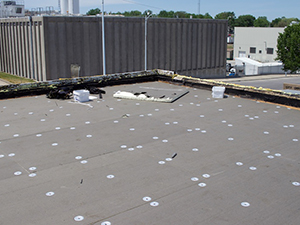
Freeze-thaw cycles can stress seams and flashings before spring storms test vulnerable areas. A spring inspection covers the roof surface, seams, flashing at pipe boots and vent penetrations, and drains.
The team also checks for thin coatings in high-traffic areas, hardened sealants at penetrations, and membrane damage from winter debris so repairs can be planned in suitable weather.
Fall Inspection
By late summer or early fall, the roof has taken a full season of UV, heat, and thermal cycling. A fall inspection identifies the cumulative damage and closes any vulnerabilities before winter arrives. That timing matters because cold-weather repair windows are narrower and more constrained than warm-weather ones.
The fall visit also includes drain and gutter clearing so leaves and debris do not obstruct runoff during heavy rain or snowmelt. Ponding water is a leading cause of commercial roof problems, and clearing drainage paths helps prevent water from remaining on the roof.
Post-Storm Inspection
Middle Tennessee storms sometimes bring straight-line winds, hail, or heavy rain that arrives faster than the drains can handle. Any of those can create damage that is not visible from the ground. A post-storm inspection includes the roof surface for punctures or impact marks, every flashing for movement or lifting, and any rooftop equipment for shifted mounts or opened seals.
Small storm damage can allow moisture to spread if it remains undetected. A prompt post-storm inspection helps identify localized damage before later rainfall affects a larger area of the roof or building interior.
Plan Seasonal Service
Scheduling inspections around Middle Tennessee’s seasons is an effective part of commercial roof care. It can keep small problems contained, support the roof’s service life, and make maintenance expenses more predictable.
For roof inspection in Smyrna, TN, contact Glick Roofing Systems at (800) 821-0205 today.
FAQ
When is the best time of year to schedule a commercial roof inspection in Tennessee?
Spring and fall are the two anchor visits. A spring inspection identifies winter damage, while a fall inspection addresses vulnerabilities before cold weather returns. Additional inspections should follow significant weather events.
What should a post-storm roof inspection cover on a commercial flat roof in Smyrna?
The inspection should cover surface punctures or impact marks, flashing movement or lifting, shifted rooftop equipment, opened seals, and drainage areas that may have collected storm debris. Prompt evaluation helps keep damage localized.
How does a seasonal inspection schedule help extend the life of a commercial roof?
Seasonal inspections can identify small, localized failures before water reaches insulation or other parts of the assembly. Timely maintenance supports the roof’s designed service life.