
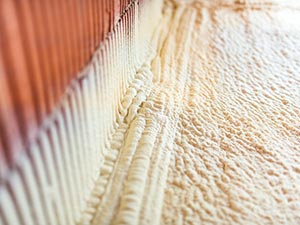
Understanding spray foam polyurethane (SPF) roofing cost in Tennessee is essential for property owners evaluating long-term roofing performance and energy efficiency. Spray foam roofing is widely used across commercial buildings due to its seamless application, insulation value, and ability to extend the life of existing roof systems. While pricing can vary, knowing what drives costs and where SPF delivers value helps you make a smarter investment.
Partnering with Glick Roofing Systems is another way to make a smarter investment. Call 800-821-0205 today and schedule a consultation.
SPF Roofing Costs Broken Down
Average SPF Roofing Cost
In Tennessee, the average cost for Spray foam polyurethane roofing typically ranges between $5.50 and $9.50 per square foot for a complete system. This includes surface preparation, foam application, protective coating, and labor.
Several factors influence the final price:
- Roof size and complexity
- Existing roof condition and required repairs
- Thickness of foam application
- Type of protective coating (silicone or acrylic)
- Accessibility and safety requirements
For large commercial buildings, economies of scale can reduce the per-square-foot cost. However, roofs requiring extensive prep work or repairs will trend toward the higher end of the range.

Spray Foam Cost Per Square Foot
Breaking it down further, SPF roofing systems are typically installed in layers, each contributing to the total cost:
- Base preparation and repairs: $1.00 – $2.50 per sq ft
- Spray foam roofing application (foam layer): $2.50 – $4.00 per sq ft
- Protective coating system: $2.00 – $3.00 per sq ft
This layered approach is what gives SPF roofing its durability and performance. The foam expands to create a fully adhered, seamless surface that eliminates common leak points found in traditional roofing systems.
In Tennessee’s climate, where humidity, heat, and seasonal storms are common, the protective coating plays a critical role in UV resistance and waterproofing.
Insulation & Energy Savings Benefits
One of the biggest advantages of spray foam roofing is its built-in insulation. Spray foam delivers an R-value of approximately 6.5 per inch, which is significantly higher than many traditional roofing materials.
This translates into:
- Lower heating and cooling costs
- Reduced HVAC strain
- Improved indoor comfort
- Potential eligibility for energy rebates or tax incentives
For Tennessee building owners dealing with hot summers and fluctuating seasonal temperatures, SPF roofing can lead to noticeable energy savings over time. In many cases, these savings help offset the initial installation cost.
Additionally, the seamless nature of SPF prevents air and moisture infiltration, which further enhances energy performance and protects the building envelope.
When Spray Foam Makes Sense
SPF roofing is not a one-size-fits-all solution, but it is an excellent option in several scenarios:
- Roof restoration projects: SPF can often be applied over existing systems, avoiding full tear-offs
- Flat or low-slope roofs: Ideal for commercial buildings with minimal pitch
- Energy efficiency upgrades: Perfect for facilities looking to reduce operational costs
- Leak-prone roofs: Seamless application eliminates common failure points
If your current roof is structurally sound but aging, SPF can extend its lifespan by 10–20 years with proper maintenance. This makes it a cost-effective alternative to full replacement.
Spray Foam vs Traditional Flat Roofs
When comparing spray foam roofing to traditional flat roofing systems like TPO, EPDM, or modified bitumen, several differences stand out:
Installation Process
SPF is fluid-applied, meaning fewer seams and faster installation. Traditional systems rely on rolls, fasteners, or adhesives, which introduce more potential failure points.
Water Resistance
SPF creates a monolithic surface that resists ponding water and leaks. Traditional roofs depend heavily on seam integrity.
Energy Efficiency
SPF provides superior insulation, while most traditional systems require separate insulation layers.
Maintenance & Longevity
SPF roofs can be recoated periodically to extend life without major disruption. Traditional systems often require more invasive repairs or full replacement at the end of their lifecycle.
Cost Consideration
While SPF may have a comparable or slightly higher upfront cost, its long-term savings and reduced maintenance often make it more economical over time.
Final Thoughts on SPF Roofing Cost in Tennessee
For commercial property owners in Tennessee, spray foam roofing offers a balance of performance, energy efficiency, and long-term value. While initial costs vary based on project conditions, the ability to restore existing roofs, reduce energy expenses, and minimize maintenance makes SPF a compelling option.
Working with Glick Roofing Systems ensures proper installation, accurate cost evaluation, and a roofing system designed to perform in Tennessee’s climate. Call 800-821-0205 and speak with an expert today.
FAQ
How long does an SPF roof last in Tennessee?
With proper maintenance and periodic recoating, spray foam roofs can last 20+ years.
Is spray foam roofing waterproof?
Yes, spray foam creates a seamless, fully adhered surface that resists water intrusion and eliminates leaks.
Can SPF be installed over an existing roof?
In many cases, yes. If the underlying structure is sound, spray foam polyurethane can be applied directly over the existing system, reducing tear-off costs.