
Commercial roof coatings can be a useful restoration option for a Brentwood, TN building when the existing roof is dry, structurally sound, compatible with the selected system, and prepared correctly. They are not a shortcut around saturated insulation, rotten decking, unresolved drainage defects, or widespread conditions that call for a different scope. Glick Roofing Systems provides commercial roof restoration in the Nashville market, including Brentwood. Call (615) 265-0598 to discuss whether a coating fits your roof.
What Are Commercial Roof Coatings?
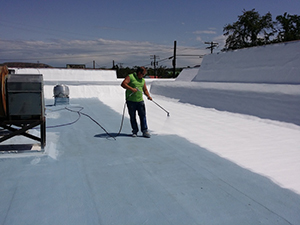
Commercial roof coatings are liquid-applied restoration materials installed over an existing roof after inspection, cleaning, preparation, and any required repairs. The goal is to create a continuous protective surface while keeping the existing roof assembly in service when its condition supports restoration.
Glick’s current commercial roof restoration information explains that restoration can be considered instead of replacement when the underlying roof remains a suitable candidate. The final decision should still be based on the actual roof condition, not a general assumption that every aging roof can be coated.
Types of Roof Coatings

Glick’s current approved commercial service scope confirms acrylic and silicone roof coatings and restoration. Other coating chemistries exist in the market, but they should not be presented as Glick services without current client confirmation.
Acrylic coatings: Acrylic systems can provide a reflective surface and UV protection when they are compatible with the existing roof and installed under suitable conditions. Reflectivity can reduce roof-surface heat absorption, but it does not guarantee a specific reduction in utility costs.
Silicone coatings: Silicone systems are used where their moisture resistance and restoration characteristics fit the roof. Resistance to standing water does not mean a coating corrects poor drainage. A blocked outlet, low area, or other drainage defect still needs its own solution.
Coating selection should account for the existing roof material, prior coatings or repairs, adhesion, drainage, rooftop use, exposure, and the manufacturer’s requirements for the proposed system.
When to Consider a Commercial Roof Coating
The most useful question is not whether coating is cheaper than replacement in general. It is whether this roof has the conditions needed for a durable restoration. The same evidence can also show when targeted repair or replacement is the better path.
| Condition to Confirm | Repair May Fit When | Coating May Fit When | Replacement May Need Review When |
|---|---|---|---|
| Moisture | Moisture is limited and the affected area can be removed or repaired. | The retained assembly is dry enough for the proposed restoration system. | Wet insulation or concealed moisture is widespread or cannot be isolated economically. |
| Adhesion | The defect is localized and surrounding material remains serviceable. | Required adhesion testing and preparation support the selected coating. | The existing surface cannot provide a reliable bond for the proposed system. |
| Substrate condition | Deck or membrane damage is isolated and repairable. | The roof and supporting materials are structurally sound. | Rotten decking or broader deterioration requires removal and correction. |
| Drainage | A localized drain, flashing, or slope issue can be corrected separately. | Drainage is functioning or required corrections are included in the scope. | Recurring ponding reflects broader slope or assembly problems that restoration alone will not solve. |
| Compatibility | Repair materials are compatible with the existing roof. | The coating, primer, existing membrane, and prior materials are confirmed compatible. | Existing materials or prior treatments make the proposed restoration unsuitable. |
A coating does not correct ponding-water drainage defects, dry saturated insulation, or repair rotten decking. Those conditions need separate correction before a coating is accepted as the restoration scope.
Choosing a Qualified Contractor
A coating project should have clear acceptance steps before and after application. Preparation can include cleaning, removal of loose material, detail repairs, seam or flashing work, and any primer or surface treatment required by the selected system. The contractor should document which pre-repairs are part of the base scope and which conditions would change the project.
During application, the proposal should identify the coating system, preparation requirements, application method, and how required coverage or thickness will be checked. After cure, a follow-up inspection should confirm that details, transitions, repaired areas, and the coated surface meet the agreed scope.
If inspection evidence shows the roof is not a sound restoration candidate, Glick’s commercial roof replacement information provides context for the alternative path. Owners comparing repair, restoration, and replacement can also review Glick’s repair and maintenance information.
Professional Commercial Roof Coatings
Commercial roof coatings can extend the useful service of a qualifying roof and may reduce the amount of tear-off material compared with replacement. Reflective systems can also reduce roof-surface heat absorption. Actual lifespan, operating savings, disruption, and future recoating intervals depend on the roof condition, coating system, preparation, maintenance, building use, and written project requirements.
For coating and restoration questions in Brentwood, TN, call Glick Roofing Systems at (615) 265-0598. The Nashville office currently lists this number for Tennessee commercial roofing service.
Commonly Asked Questions (FAQ)
Can every commercial roof be restored with a coating?
No. Moisture, substrate condition, drainage, adhesion, and material compatibility all need to support the proposed restoration system.
Can a roof coating fix ponding water?
No. A coating may tolerate certain exposure conditions, but it does not correct a drainage or slope defect that causes water to remain on the roof.
What should happen before a commercial roof coating is applied?
The roof should be inspected, cleaned, prepared, and repaired as required, with compatibility and adhesion confirmed for the selected system.
Will a reflective roof coating guarantee lower energy bills?
No. Reflectivity can reduce roof-surface heat absorption, but utility savings depend on insulation, HVAC operation, building use, climate, and the complete roof assembly.